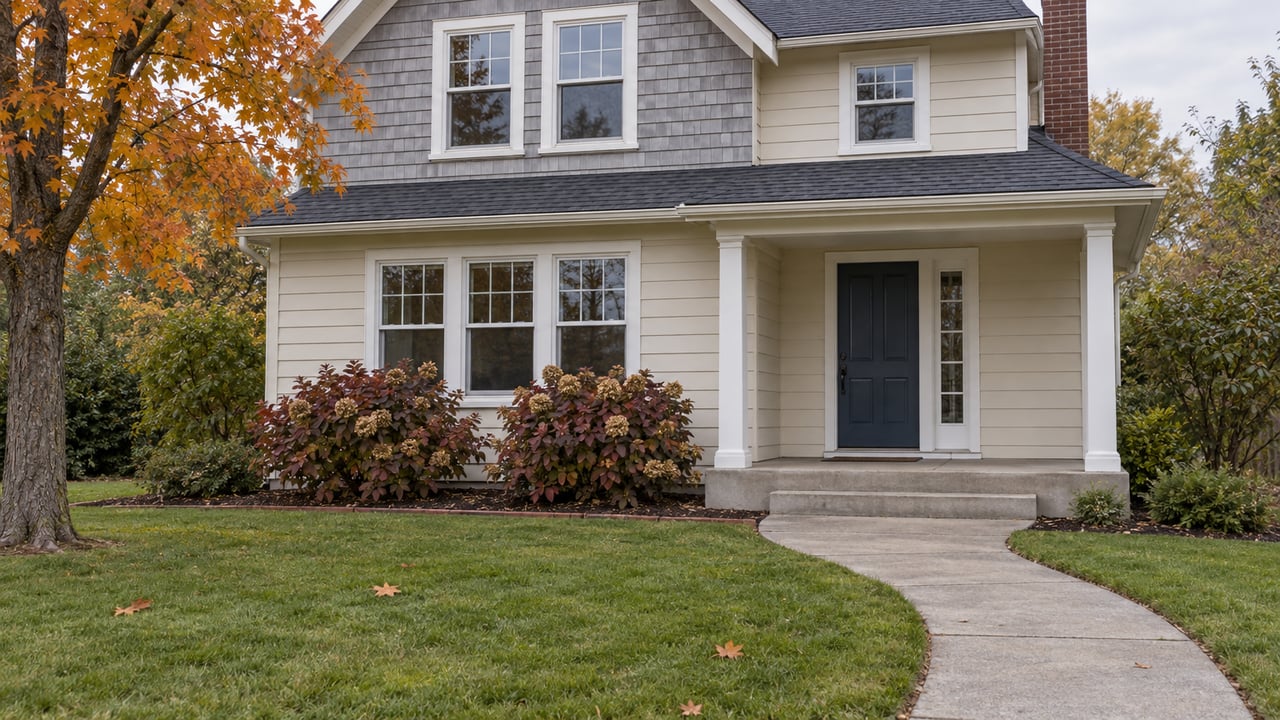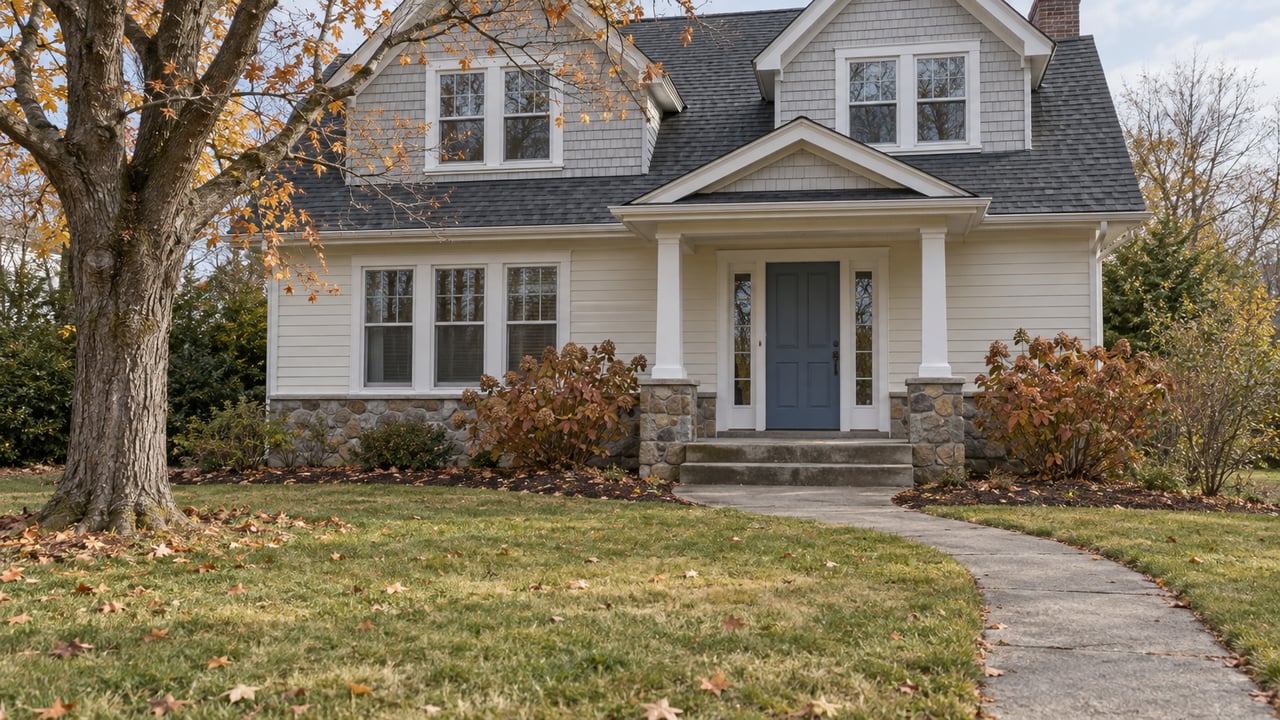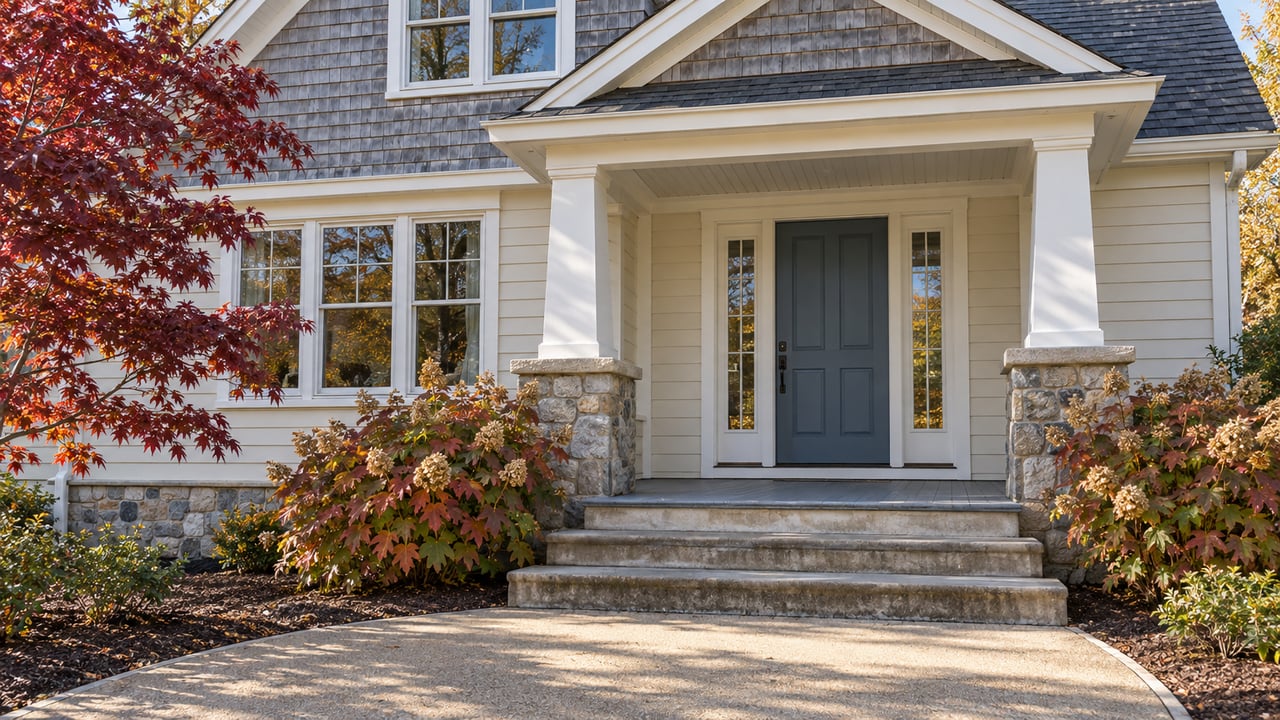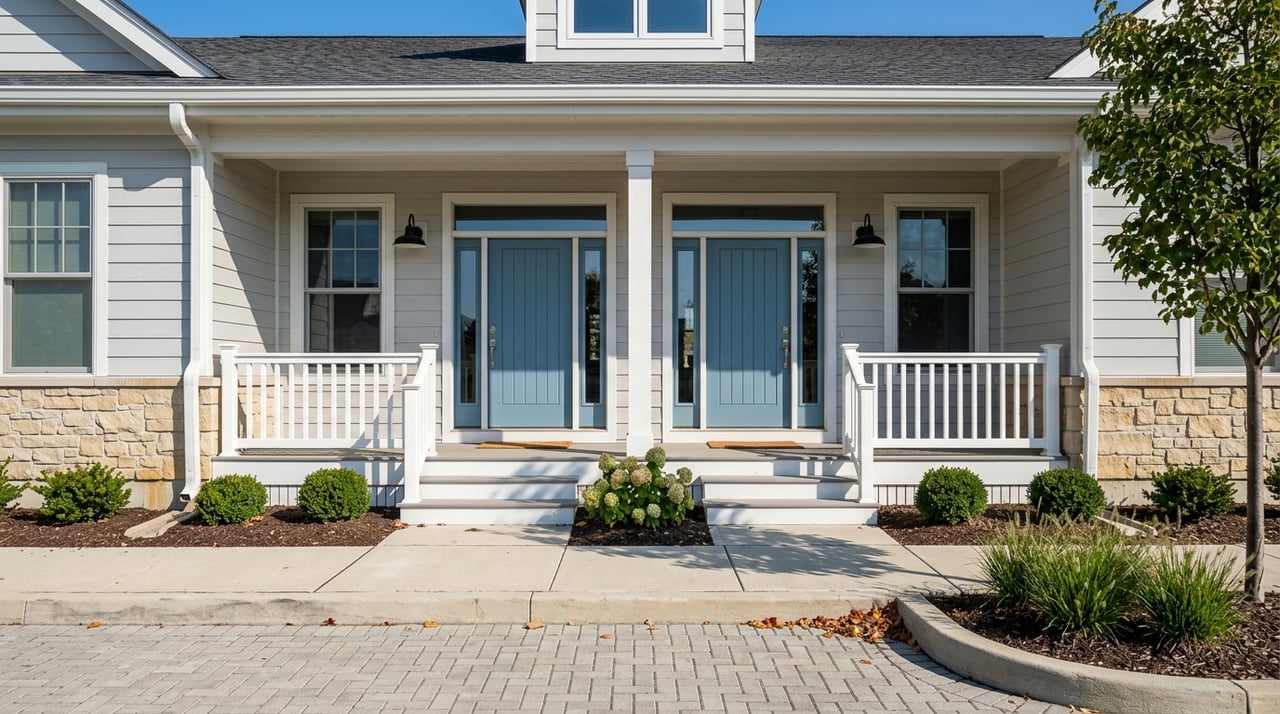
If you picture your South Haven getaway, are you imagining easy walks to the beach and downtown, or a little more space and privacy to spread out? That choice often sits at the center of the condo-versus-home decision, especially in a town where lake life, boating, and summer activity shape how people use a property. If you are weighing vacation living in South Haven, this guide will help you compare convenience, upkeep, costs, and lifestyle fit so you can narrow your search with more confidence. Let’s dive in.
Why South Haven Makes This Decision Different
South Haven is built around waterfront living. The city highlights beaches, downtown, trails, parks, and boating as core parts of the local experience, and it offers nine public city beach access points.
That beach-centered layout changes what matters in a vacation property. In some markets, the choice between a condo and a home comes down mostly to price and square footage. In South Haven, walkability, marina access, parking, and seasonal use often matter just as much.
The harbor also plays a big role in the local lifestyle. The Black River Harbor has more than 2,000 slips for transient and seasonal boaters, and the municipal marina system lists four marinas with 229 slips available from April 15 to October 15.
You will also see that second-home style properties are a big part of the market here. Local tourism information groups cottages, condos, and vacation homes together, which reflects how common vacation-oriented ownership is in South Haven.
South Haven Areas to Know
Before comparing property types, it helps to understand the areas buyers often focus on. In South Haven, the most useful location labels for your search are Downtown, South Side, North Side, On The Water, and Paw Paw.
Downtown and South Side
If you want to be close to shops, dining, and beach activity, Downtown and the South Side often rise to the top. The South Side blends Downtown and South Beach, and it is one of the busiest areas during peak season.
That setting tends to favor buyers who want a lock-and-leave lifestyle. Being able to walk to the beach or downtown can be a major advantage, especially during the busy summer months.
North Side and On The Water
The North Side is known for public beaches, vacation homes, and historic bed-and-breakfast properties. On The Water is centered on boating activity and the maritime setting near the harbor.
These areas can work well for either condos or homes, depending on your goals. If boating access and a strong waterfront feel are high on your list, location may matter even more than property type.
Paw Paw
Paw Paw offers more of an inland river-and-trail option. For some buyers, that can mean a quieter vacation pattern with a little more separation from the busiest beach traffic.
If your idea of a getaway leans more relaxed than high-energy, this area may deserve a closer look. It can offer a different rhythm than the downtown-to-beach core.
Why a Condo Appeals to Vacation Buyers
A condo often makes the most sense when your priority is easy ownership. In general, you own the interior of the unit while sharing ownership of common elements with other owners in the community.
That shared structure can remove a lot of the exterior maintenance burden from your plate. Condo associations typically maintain common areas and exteriors, collect dues, and set community rules.
For many vacation buyers, that is the whole point. If you want to spend your South Haven visits at the beach, downtown, or marina instead of handling exterior upkeep, a condo can be a strong fit.
Condo Costs and Rules to Review
The tradeoff is that convenience usually comes with dues and rules. Condo and HOA dues are separate from your mortgage payment, and they can range from a few hundred dollars a month to more than $1,000.
Some dues may cover items like water, sewer, trash, and shared amenities. Depending on the property, those amenities may include features buyers often value in vacation living, such as pools, parking, or other shared recreational spaces.
You should also review the possibility of special assessments. Before moving forward on any condo, it is smart to examine the HOA budget, reserves, rules, rental restrictions, and any pending or recurring assessments.
Why Condos Fit South Haven Well
In South Haven, condo living often lines up well with the most walkable vacation areas. That is especially true in the downtown-to-beach core, where convenience can outweigh the desire for a yard or extra storage.
Parking is one reason this matters. At South Beach, city-owned beach lots charge parking fees from May 15 through September 15, and the city reports an average of 1,500 parking tickets there each year.
If your condo puts you within easy walking distance of the beach or downtown, that can simplify your routine during peak season. For many out-of-town owners, that ease is a major lifestyle advantage.
Why a Single-Family Home Appeals to Vacation Buyers
A single-family home usually offers more control over how you use the property. You may have more privacy, more outdoor space, more room for guests, and more storage for beach gear, bikes, or boating equipment.
You may also have fewer association rules to navigate. If you want more freedom around guests, pets, parking, or exterior changes, a home can feel more flexible.
That flexibility comes with more responsibility. As the homeowner, you are generally responsible for repairs, maintenance, property taxes, insurance, utilities, and related costs.
The Maintenance Side of Vacation Homes
For a second home, maintenance looks a little different than it does for a primary residence. In South Haven, seasonal living can mean planning for winterization and off-season oversight.
That matters even more near the lakeshore or in areas where weather exposure is part of ownership. Routine maintenance is important because small issues can turn into larger and more expensive problems over time.
If you live out of town, think honestly about how you want to spend your time. Some buyers are happy to trade convenience for privacy and space, while others prefer fewer moving parts.
The Tax and Insurance Side
A second practical difference is tax treatment. According to the Michigan Department of Treasury, a second home or vacation home does not qualify for the Principal Residence Exemption.
That means you should not assume a South Haven vacation property will be taxed like your primary home. This is an important budget item to clarify early.
Insurance also deserves attention, especially for homes near Lake Michigan, the harbor, or other low-lying water areas. Flood insurance may be required in FEMA special flood hazard areas, so buyer budgets should account for homeowners insurance, possible flood insurance, and repair costs.
South Haven Condo vs. Home at a Glance
Here is the simplest way to think about it: condos tend to favor convenience, while homes tend to favor control.
| Factor | Condo | Single-Family Home |
|---|---|---|
| Upkeep | Shared exterior maintenance through HOA | Owner handles maintenance directly |
| Costs | Mortgage plus HOA dues, possible assessments | Mortgage plus taxes, insurance, utilities, repairs |
| Rules | HOA rules and possible rental restrictions | Typically fewer association limits |
| Privacy | Usually less private than a detached home | Often more privacy and outdoor space |
| Lifestyle fit | Great for walkability and simpler short stays | Great for space, guests, gear, and flexibility |
That tradeoff is especially visible in South Haven because the town is so walkable and so tied to the beach. Your best fit depends less on abstract pros and cons and more on how you actually want to use the property.
Questions to Ask Before You Decide
If you are narrowing your search, start with the practical questions that affect day-to-day ownership. These answers usually make the right choice clearer.
- What do the HOA fees cover?
- Are there any pending or recurring special assessments?
- Are there rental restrictions or occupancy rules?
- How does parking work during peak season?
- How far is the property from the beach, downtown, or marina activity?
- If it is a home, how will winterization and off-season oversight be handled?
- Will the property be treated as a second residence for tax purposes?
- If the home is near water or a low-lying area, what should you expect for insurance?
These questions matter because vacation ownership is about more than the floor plan. The right property should support the way you want to spend your time in South Haven.
Which Option Fits Your Vacation Style?
A condo may be the better choice if you want a straightforward getaway, easy access to South Beach or downtown, and fewer exterior responsibilities. It can be a smart match if you value predictable upkeep and do not mind paying dues in exchange for shared maintenance and amenities.
A single-family home may be the better fit if you want more room, more privacy, extra parking, or more flexibility in how you use the property. It can also make sense if you are comfortable managing the extra maintenance that comes with ownership.
In other words, the real question is not which property type is better overall. It is which one helps you enjoy South Haven the way you want to live there.
If you are exploring vacation condos or homes along the West Michigan lakeshore, working with a team that understands both lifestyle goals and the practical side of ownership can make the search much easier. When you are ready to talk through your options in South Haven, connect with Ron Webb.
FAQs
What is the main difference between owning a condo and a home in South Haven?
- A condo usually offers easier exterior upkeep through an HOA structure, while a single-family home gives you more control, privacy, and responsibility for maintenance.
Are condo fees common for vacation properties in South Haven?
- Yes. Condo owners typically pay HOA dues separate from the mortgage, and those dues may help cover exterior maintenance, common areas, and some utilities or amenities.
Do South Haven vacation homes get the same tax treatment as a primary residence?
- No. The Michigan Department of Treasury says a second home or vacation home does not qualify for the Principal Residence Exemption.
Why does walkability matter so much for South Haven vacation living?
- South Haven is highly beach- and downtown-oriented, so being able to walk to South Beach, shopping, dining, or marina areas can make vacation use easier during the busy season.
What should you review before buying a South Haven condo?
- You should review HOA rules, fees, reserves, rental restrictions, parking, and any pending or recurring special assessments.
What extra planning comes with a South Haven vacation home?
- A single-family vacation home may require more attention to repairs, seasonal maintenance, winterization, insurance, and off-season oversight, especially near water or weather-exposed areas.