Wondering which Grand Haven neighborhood gives you the best mix of downtown energy, water access, and everyday livability? If you are trying to narrow your search, the answer often comes down to how you want to enjoy the area, not just how close you are to the shoreline. This guide breaks down the close-in pockets near downtown and the water so you can compare price points, lifestyle tradeoffs, and what daily life may actually feel like. Let’s dive in.
What life near the water means
In Grand Haven, living near downtown and the water is shaped more by public access than by one long stretch of private shoreline. The city’s planning documents treat downtown and the urban waterfront as the activity core, with nearby housing tied closely to walkability, views, and access to public spaces.
That matters when you start comparing neighborhoods. A home that is “near the water” might place you closer to the beach, boating amenities, trails, or downtown events, but not necessarily private waterfront ownership.
Public waterfront anchors your lifestyle
The close-in waterfront experience revolves around a few major public assets. Each one supports a different kind of routine, so it helps to know which features matter most to you.
Grand Haven State Park and City Beach
If beach days are high on your list, Grand Haven State Park and City Beach are central to the lifestyle. Grand Haven State Park includes 48 acres, about a half-mile of sandy Lake Michigan shoreline, a designated swim beach, boardwalk access, and views of the pier and lighthouses.
City Beach extends that public lake access with about 3,250 linear feet of beach. The city also identifies it as a key access point for surfing, kite surfing, paddle boards, and kayaks.
Chinook Pier and the marina
If you picture weekends around the riverfront, Chinook Pier and the Municipal Marina may matter more than direct beach access. The Municipal Marina, located near Chinook Pier, has 57 slips and is described by the city as the closest public marina to Lake Michigan on the Grand River.
Chinook Pier itself functions as a busy waterfront activity node. It includes a commercial fishing marina, seasonal food and retail, miniature golf, a farmers market, a splash pad, and trail connections.
Lighthouse Connector and Harbor Island
For buyers who want trail use, walking routes, and river access, Lighthouse Connector Park and Harbor Island are worth attention. Lighthouse Connector Park offers a 1,700-foot waterfront walkway with benches and lighted paths, and the city notes it is active with walkers, joggers, and bicyclists.
Harbor Island adds practical boating access with a boat launch, Grand River public access, and a paved bicycle and pedestrian path connected to the Waterfront Trail. For some buyers, that makes it more of a utility-based waterfront feature than a scenic destination alone.
Downtown and waterfront neighborhoods to compare
When buyers look near downtown Grand Haven and the water, they usually end up comparing a handful of neighborhood pockets. These areas differ in price, housing type, street feel, and how directly they connect you to public waterfront amenities.
Main Street Downtown
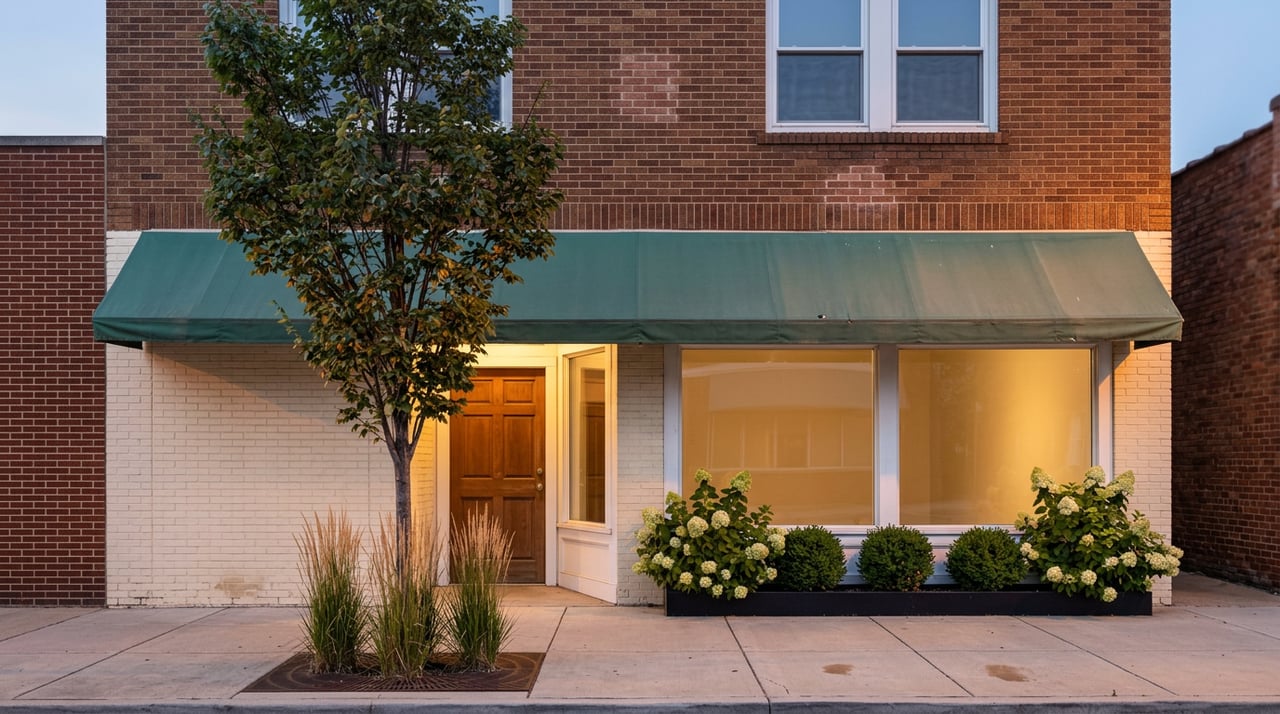
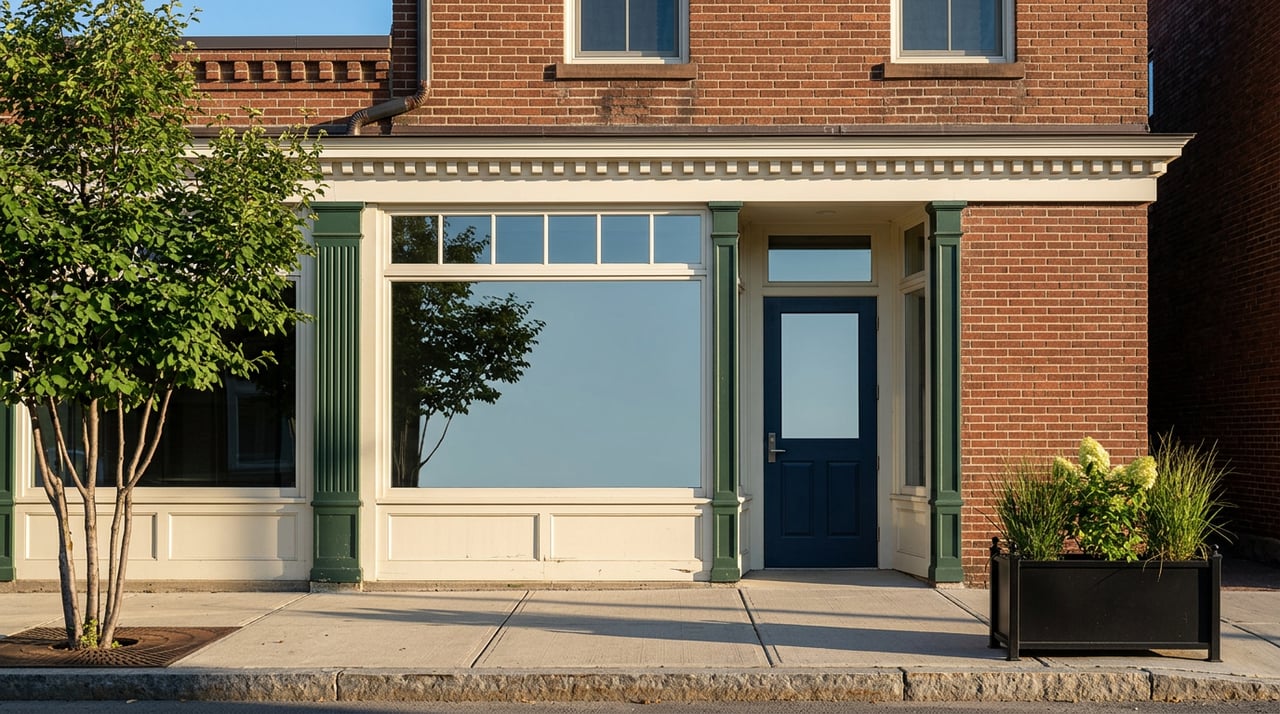
Main Street Downtown is the most urban and mixed-use pocket in this part of Grand Haven. The city describes downtown as a pedestrian-scaled environment with shopping, entertainment, professional services, civic uses, and upper-floor residential or hospitality spaces.
This area tends to fit buyers who want to walk to restaurants, events, and shops. Recent market snapshots place the median sale price around $409,000, with current examples ranging from roughly $425,000 for a smaller condo to about $1.45 million for a larger waterfront condo.
Grand Haven Waterfront
Grand Haven Waterfront carries a stronger premium because buyers are often paying for closer views, location, and direct access to the core waterfront setting. The city’s broader planning approach also helps explain why this area is so desirable, since much of the river side of Harbor Avenue is intended to remain largely public.
Recent snapshots place the median sale price around $575,000. Current listings in this pocket have ranged from the mid-$500,000s to about $1.5 million, depending on size, view, and property type.
Center Town
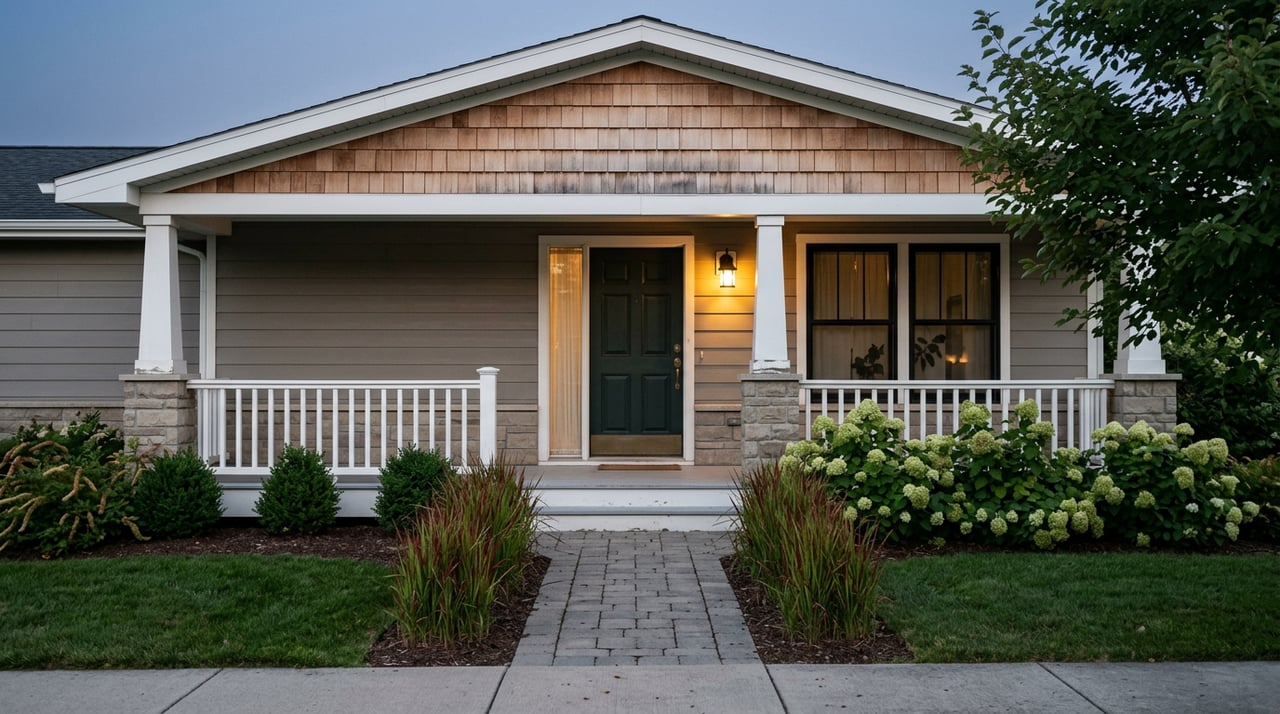
Center Town is one of the most practical options if you want close-in access without stepping fully into waterfront pricing. The city describes Centertown as an older, very walkable grid of single-unit and multiple-unit housing within walking distance of downtown, the waterfront, and Grand Landing.
For many buyers, this area offers a strong balance of access and value. Recent market snapshots place the median sale price around $290,000.
East End
East End is another close-in alternative for buyers focused on proximity and price. It functions as an east-side residential pocket near the core, and it often appeals to buyers who want to stay near downtown activity while keeping their search in a more moderate price range.
Recent snapshots place East End around $281,500, with recent closings mostly in the mid-$200,000s to low-$300,000s. If you want to be near the action without paying a stronger waterfront or downtown condo premium, this is one area to watch.
Old Towne
Old Towne has a different feel from the busier tourist-facing parts of the city. The master plan describes it as an area of pre-war single-family detached homes on small lots, immediately north of downtown, with some edge areas that can transition toward mixed use.
That usually translates to a more residential setting while still keeping you close to the core. Recent market snapshots place Old Towne around a $530,000 median sale price.
Hilltop
Hilltop is one of the higher-priced close-in pockets, and current inventory points to a condo-heavy market. Buyers often look here when they want a walkable location near downtown but prefer condo living or a smaller-footprint property.
Recent snapshots place the median sale price around $620,000. A recent sale at 300 Washington Ave #6 closed at $620,000, which reflects the price level buyers may see in this area.
Price ranges at a glance
If you are trying to sort these neighborhoods by budget, the broad pattern is fairly clear. Grand Haven overall had a recent median sale price of $285,000, and the market was described as very competitive, with homes selling in about 8 days.
Here is a simple way to think about the close-in price bands:
- Upper-$200,000s: Center Town and East End
- Around $409,000 and up: Main Street Downtown condos and loft-style options
- Around $530,000: Old Towne
- Around $575,000: Grand Haven Waterfront
- Around $620,000: Hilltop
Even within the same neighborhood, pricing can change quickly based on housing type, views, and exact location. In Grand Haven, a condo near downtown may offer a very different experience and value than a detached home just a few blocks away.
How to choose the right fit
The biggest lifestyle split is not simply downtown versus waterfront. It is often beach access versus boating access versus walkability.
Choose for beach access
If your ideal routine includes swimming, beach days, and being close to Lake Michigan, focus on areas that keep Grand Haven State Park and City Beach within easy reach. Buyers drawn to this setup often prioritize proximity to public beach access over having a boat slip or launch nearby.
Choose for boating access
If you care more about slips, launches, and river access, the Municipal Marina and Harbor Island may matter more. In that case, your search may lean toward locations that make it easy to reach the Grand River and related boating amenities.
Choose for walkability
If your priority is walking to dining, events, and shops, many buyers land in Main Street Downtown, Grand Haven Waterfront, or the edges of Center Town and Old Towne. These pockets keep you connected to the city’s activity core, which is a major part of the appeal.
Look beyond the neighborhood name
In Grand Haven, block-by-block feel matters as much as the neighborhood label. The city notes that close-in neighborhoods can experience pressure from seasonal and vacation-rental use, so one street can feel very different from the next.
That is why it helps to look closely at the exact setting. A condo building, a small pre-war lot, and a more established residential block may all sit within the same general downtown orbit, but daily life can feel very different in each one.
Don’t forget parking and logistics
For buyers considering downtown living, parking should be part of your decision. The city offers overnight parking permits for long-term downtown residents, temporary resident permits for short-term renters and building owners, and overnight visitor permits through kiosks, although availability is not guaranteed.
That may not be a deal-breaker for you, but it is worth factoring into your expectations. If you plan to host guests or own more than one vehicle, those details can affect how convenient downtown living feels day to day.
A smart way to narrow your search
If you are torn between several Grand Haven neighborhoods near downtown and the water, start with the routine you want most. Ask yourself whether you care most about beach time, boating convenience, condo living, historic character, or being able to walk out your door and head straight into downtown.
Once you know that, the neighborhood shortlist gets much easier. In a competitive market, that kind of clarity can help you move faster and make a more confident decision.
Whether you are searching for a downtown condo, a close-in single-family home, or a lifestyle property near the waterfront, working with a team that understands West Michigan’s lakeshore markets can make the process much smoother. If you want help comparing Grand Haven neighborhoods and identifying the right fit for your goals, reach out to Ron Webb.
FAQs
What are the main Grand Haven neighborhoods near downtown and the water?
- The close-in areas buyers most often compare are Main Street Downtown, Grand Haven Waterfront, Center Town, East End, Old Towne, and Hilltop.
Which Grand Haven neighborhood is most walkable to downtown?
- Main Street Downtown is the most urban, mixed-use, pedestrian-oriented pocket, while parts of Grand Haven Waterfront, Center Town, and Old Towne also offer easy access to downtown.
Which Grand Haven areas are more affordable near downtown?
- Recent market snapshots place Center Town around $290,000 and East End around $281,500, making them the more accessible close-in options compared with waterfront and higher-end condo pockets.
What is the difference between beach access and boating access in Grand Haven?
- Beach-focused buyers usually look toward Grand Haven State Park and City Beach, while boating-focused buyers often prioritize the Municipal Marina and Harbor Island for slips, launches, and river access.
Is downtown parking important when buying near central Grand Haven?
- Yes. The city offers several overnight parking permit options for residents, temporary residents, and visitors, but availability is not guaranteed, so parking should be part of your decision.
Does every home near the water in Grand Haven have private shoreline access?
- No. The close-in waterfront lifestyle is largely built around public access points, trails, beaches, and marina amenities rather than continuous private shoreline ownership.