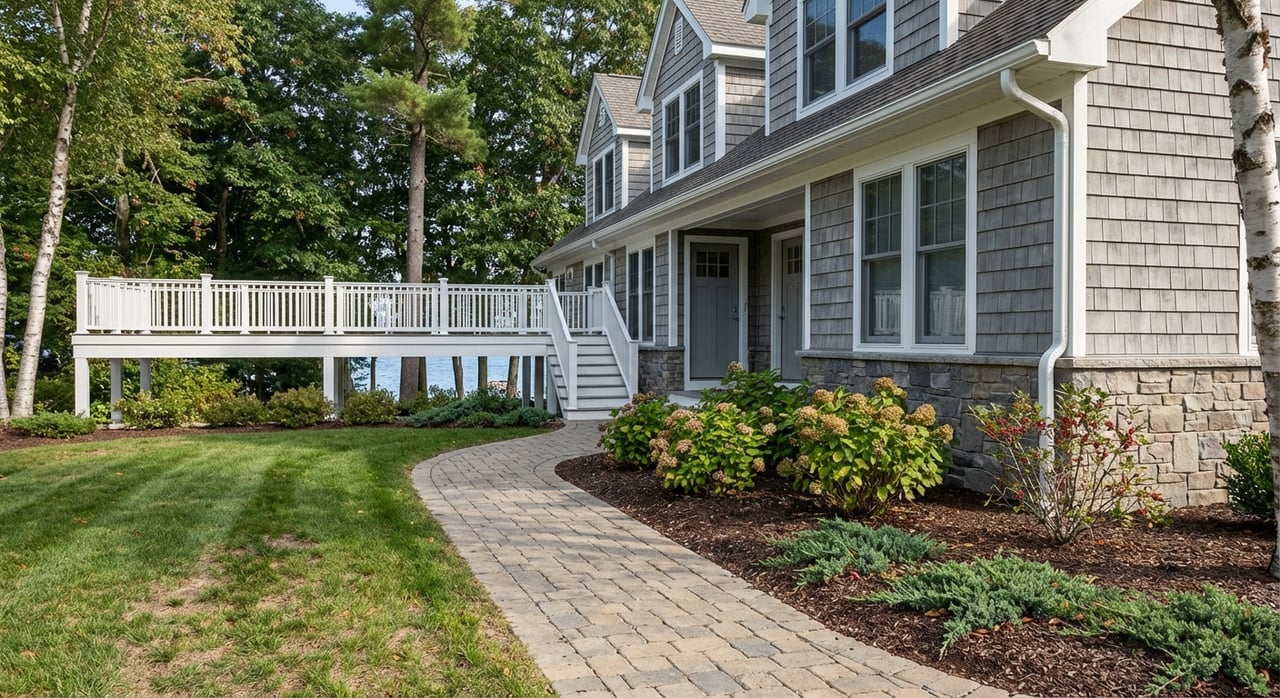
Is a lakefront condo in Macatawa calling your name? Between calm bay water, quick access to Lake Michigan, and a low‑maintenance lifestyle, it is easy to see the appeal. You want the right view, the right slip, and the right numbers so your place fits how you live and what you value.
In this guide, you will learn how Macatawa’s condo market works, what drives price, which rules and documents to review, and how to plan your due diligence step by step. You will also get practical tips on boat slips, HOA reserves, shoreline permits, and financing. Let’s dive in.
Why Macatawa lakefront condos stand out
Calm water, direct Lake Michigan access
Lake Macatawa is a protected bay connected to Lake Michigan by a maintained navigation channel. That geography delivers smoother water in many areas with a quick run out to the big lake when you want it. These features shape buyer priorities, especially for boating and slip access. Learn more about the lake’s setup in the summary for Lake Macatawa.
Location and ZIP essentials
Macatawa uses ZIP code 49434, which functions largely as a PO‑Box ZIP. Many waterfront addresses nearby use Holland ZIP codes such as 49423 or 49424. Confirm the actual municipality (Park Township, Laketown Township, or the City of Holland) tied to the property because that impacts taxes and local rules. For a quick ZIP overview, see the profile for Macatawa, MI 49434.
Parks, beaches, and boating culture
Public access and boating infrastructure help support both lifestyle and long‑term demand. Holland State Park offers popular beach access and boat ramps on both the Lake Michigan and Lake Macatawa sides. Explore the Holland State Park overview for details. Local yacht club programs and community sailing also add to the on‑water culture.
Water quality and navigation maintenance
Lake Macatawa has an active watershed program focused on managing sediment and nutrient inputs. Dredging in the Holland Harbor channel occurs periodically to maintain safe navigation. You can review the watershed context with the Macatawa Watershed program and see recent coverage of Holland Harbor dredging. When you evaluate a condo with a slip, ask about dredging history and who pays for local dock or shoreline work.
What you can buy on Lake Macatawa
Common building styles
- Townhouse or row‑style waterfront units. Often multi‑level with garages, patios, and the option of deeded or assigned boat slips.
- Low‑ to mid‑rise condo buildings. Single‑floor living, elevator access, and amenity packages that can include pools and secure storage.
- Luxury waterfront residences. Larger townhomes or combined units that live like single‑family homes and may include private docks.
- Historic cottage areas near newer buildings. Some properties are seasonal, so confirm year‑round utilities and access.
How price and fees typically range
Recent listings in the greater Macatawa and Holland lakefront corridor show a wide spectrum, from lower six figures to multi‑million‑dollar residences depending on size, water frontage, view, finishes, and slip rights. HOA fees for lakefront complexes commonly appear around 300 to 600 dollars per month, with higher dues where amenities and services are more extensive. Always verify current comps and the exact services covered by dues.
Features that add meaningful value
- Deeded boat slips or lift capacity sized for your boat
- Unobstructed views and deeper, more protected water
- Parking and storage convenience, including garages and elevators
- Recent capital projects completed, like roofing, dock repairs, or seawall work
What drives price on the water
- Water access type. Protected bay exposure on Lake Macatawa often prices differently than open Lake Michigan frontage because of wave energy, access, and shoreline conditions.
- Slip rights and rules. A slip deeded to the unit typically carries more value than an assigned or leased slip. Transfer rules, buy‑in costs, or waitlists matter.
- Amenities and management. Pools, elevators, and professional management can add convenience and cost. Understand how these features affect monthly dues.
- Age and capital needs. Older structures with deferred maintenance raise the chance of special assessments. Review recent projects and reserve funding closely.
- Seasonal demand and rental rules. Local events and summer activity support buyer interest, but short‑term rental policies vary by municipality and association. Confirm what is allowed before you set income expectations.
The key rules and risks to review
Condo documents and Michigan law
Condominiums in Michigan operate under the Michigan Condominium Act (Act 59 of 1978). Request the recorded master deed, bylaws, and all amendments. These documents define your rights, common elements such as docks and shoreline, and your maintenance obligations.
Reserves and special‑assessment risk
Michigan administrative rules expect condo associations to maintain a reserve fund, with a minimum contribution equal to 10 percent of the annual budget. That 10 percent floor is often not enough for real‑world capital needs, so a current reserve study and healthy reserve balance are best practice. Ask for the most recent study, current balances, and a history of special assessments. See an overview of Michigan reserve expectations here: Michigan reserve study requirements.
Insurance layers and your coverage
You will have two policy layers: the association’s master policy and your individual HO‑6 condo policy. Master policies vary in what they cover. Higher deductibles are increasingly common, and owners can be charged a share of certain losses. Confirm master policy coverage, deductibles, and make sure your HO‑6 includes loss‑assessment coverage. For a primer on HO‑6 coverage, review what condo insurance covers.
Docks, shoreline work, and dredging permits
Shoreline structures, docks, seawalls, and dredging often require permits from state, local, and sometimes federal authorities. In Michigan, work that affects Great Lakes waters and connected waterways typically runs through a joint permit process. Ask for copies of past permits and clarify who owns and maintains the dock and seawall. Start with the state’s guidance on EGLE permits and approvals.
Financing and project approval
Lenders evaluate the project as well as the unit. Owner‑occupancy levels, reserve funding, litigation, and insurance all affect eligibility for certain loan programs. If you plan to use FHA or VA financing, confirm project approval or whether single‑unit approval is realistic before you get deep into a purchase. Learn how FHA looks at condos in this overview of FHA condo approval.
Rentals and local rules
Short‑term rental rules come from both the municipality and the association. Nearby townships have reviewed or limited new permits at times. If rental income matters to your plan, verify minimum stays, registration requirements, and any caps before you buy. Association guest and parking policies also affect how you use the property.
Step‑by‑step buying game plan
1) Clarify use and boating needs
Decide if you will use the condo year‑round or seasonally, and whether you plan to rent. List your must‑haves for boating: vessel length, beam, draft, and lift needs. Ask about slip dimensions, approach depth, and how dredging is handled and funded.
2) Request association documents and financials
Ask early for the master deed, bylaws, rules, and the condo plat or site plan showing common elements and dock layouts. Request the current budget, recent financials, reserve study, and board minutes that mention capital projects or assessments. A resale certificate or estoppel can confirm dues, fees, and balances due.
3) Inspect the unit and the waterfront
Schedule a full home inspection plus focused checks of the dock, lift, and any seawall or shoreline structures. Ask for permits and contractor records for past shoreline work. If slip depth is a concern, request soundings or recent dredging records for the marina or approach.
4) Verify slips, rights, and responsibilities
Confirm whether the slip is deeded, assigned, or leased and whether lifts are included or separately owned. Clarify ownership of the docks and shoreline, any recorded easements, and how maintenance costs are shared.
5) Confirm insurance and flood exposure
Get the association’s master policy certificate and review what is insured and what is not. Ask your insurance agent for an HO‑6 quote with loss‑assessment coverage and a flood‑insurance opinion if the property lies in or near a FEMA Special Flood Hazard Area.
6) Nail down financing and total monthly cost
Have your lender review the project early, especially if you need FHA or VA. Build a full monthly budget that includes mortgage, taxes, HOA dues, typical utilities, slip or marina fees, and a realistic allowance for special‑assessment risk based on the reserve study and recent capital work.
Red flags that call for a pause
- No recent reserve study and a low reserve balance relative to expected capital needs
- Pending litigation, repeated special assessments, or unresolved defect claims
- Unclear ownership of docks or slips, or shoreline work completed without permits
- Financing snags such as project ineligibility for common loan programs
What it costs: fees and ownership math
- HOA dues. Lakefront condo dues commonly run about 300 to 600 dollars per month in this area. Larger complexes and more amenities can push dues higher. Verify exact inclusions like water, trash, exterior maintenance, landscaping, snow removal, and dock maintenance.
- Insurance. Waterfront buildings may carry higher master‑policy deductibles, and your HO‑6 should reflect that. Add loss‑assessment coverage to protect against a share of large claims.
- Capital projects. Docks, lifts, seawalls, roofs, and siding are big‑ticket items. Strong reserves lower the chance of large surprise assessments.
- Taxes and utilities. Confirm the taxing authority based on the true municipal address, and ask for historical utility averages. If the condo is seasonal, confirm winterized systems and heating performance.
Ready to explore Macatawa lakefront living?
Buying on Lake Macatawa is part lifestyle upgrade, part technical due diligence. With calm water, quick access to Lake Michigan, and parks right outside your door, a well‑chosen condo can be a low‑maintenance base for everything you love on the water. When you want a steady, local partner to help you compare options, read the fine print, and negotiate the right deal, reach out to Ron Webb. Our Holland‑based team brings decades of lakeshore experience to your search.
FAQs
What makes Lake Macatawa condos different from Lake Michigan beachfront?
- Lake Macatawa offers protected, bay‑style water with a maintained channel to Lake Michigan, which often means calmer conditions and a stronger focus on slip access and marina maintenance.
How much are HOA dues for Macatawa lakefront condos?
- Many lakefront condos in this area show dues around 300 to 600 dollars per month, with higher fees in complexes that include more amenities and services.
Do most Macatawa condos include a deeded boat slip?
- Some do, but many slips are assigned or leased by the association. Always confirm whether a slip is deeded to the unit, the transfer rules, and any separate buy‑in or waitlist.
What permits apply to docks and shoreline work on Lake Macatawa?
- Shoreline structures, dock work, and dredging often require permits from Michigan EGLE and sometimes federal authorities, plus local approvals. Ask for past permits and maintenance records.
Can I finance a Macatawa lakefront condo with FHA or VA?
- Possibly. Lenders review the project for eligibility, including reserves, insurance, owner‑occupancy, and litigation. Confirm project approval or single‑unit approval options early.
Are short‑term rentals allowed in Macatawa lakefront condos?
- It depends on the municipality and the condo association. Rules can include minimum stays, registration, or limits on new permits. Verify both sets of rules before you buy.