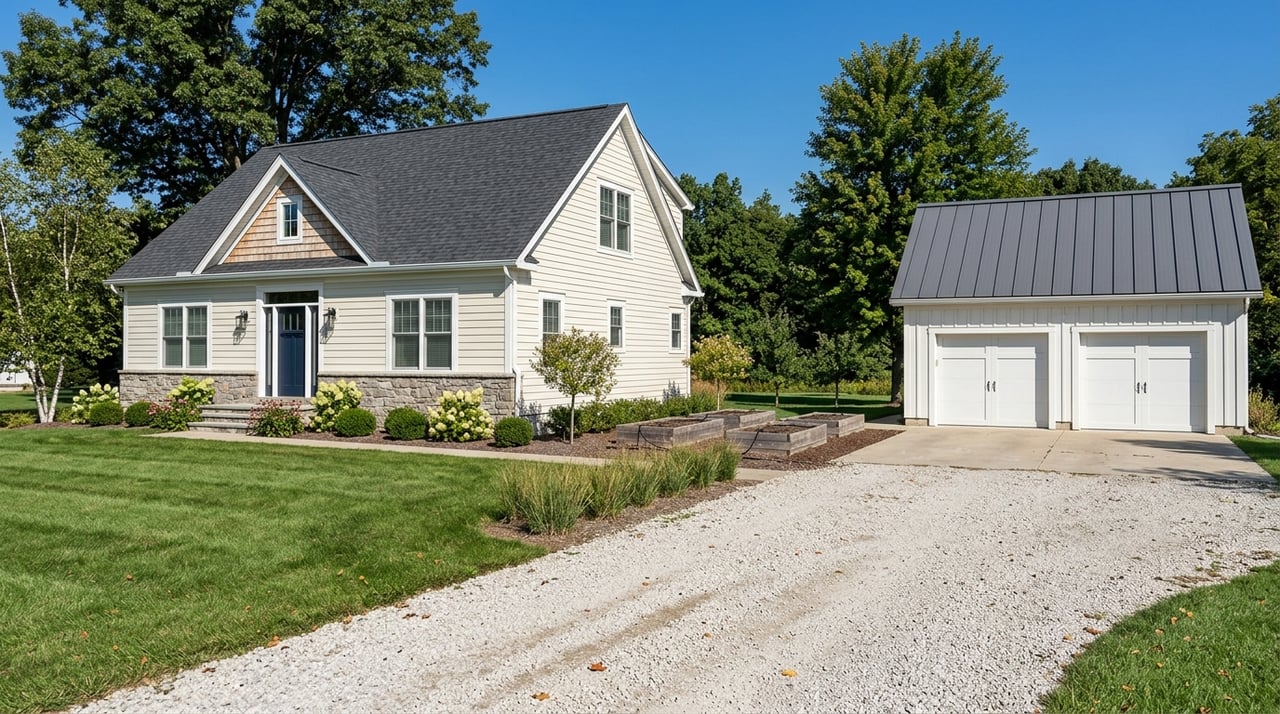
Looking for room to spread out near Fennville? You are not alone. Buyers are drawn to this part of Southwest Michigan for open land, practical outbuildings, and the chance to enjoy a quieter property with space for gardens, orchards, animals, or simple elbow room. If you are thinking about buying acreage or a hobby property here, it helps to understand what makes this market different and what you should verify before you close. Let’s dive in.
Why Fennville attracts acreage buyers
Fennville is not just a rural-looking area on the map. According to the City of Fennville, it is a community shaped by farmland, vineyards, and lakes, with a long history tied to fruit farming, especially apples and peaches. That agricultural identity still matters today.
The region also has a strong grape-growing reputation. The federal government recognizes Fennville as an American viticultural area, noting that Lake Michigan, local soils, and moderated temperatures help define the area. For you as a buyer, that is a clue that the land here is part of a real working-agriculture environment, not just a rural subdivision pattern.
That bigger farming context shows up across the county as well. The 2022 Census of Agriculture for Allegan County reports 1,120 farms covering 209,410 acres, with an average farm size of 187 acres. Farm activity is diverse, including livestock and poultry along with fruit, berries, vegetables, and nursery or greenhouse products.
What the land is like
Around Fennville, you may see more variety in the land than you expect from a quick online listing photo. Parcels can include open field, orchard or vineyard rows, wooded edges, drainage swales, ditches, ponds, or irrigated sections. That mix can be appealing, but it also means each property deserves a closer look.
Research from MSU Extension describes the Fennville station area as having sandy loam and loamy sand soils in USDA hardiness zones 6a and 6b. The report also notes that locations closer to Lake Michigan tend to have warmer winter lows, more snow cover, and a moderated growing season compared with inland areas.
That helps explain why fruit crops, grapes, and specialty plantings are common in this area. If your goal is gardening, adding fruit trees, or exploring a small hobby planting, the regional climate story is part of the appeal. Still, soil type and drainage can vary from parcel to parcel, so broad regional trends should never replace property-specific due diligence.
Expect practical rural features
When you tour acreage near Fennville, the home itself is only part of the picture. Detached homes, older farmhouses, barns, sheds, and utility buildings are more common here than attached housing. That fits Allegan County’s broader rural and owner-occupied housing pattern, based on U.S. Census QuickFacts.
You may also come across long driveways, gravel access, open drainage paths, and outdoor storage or work areas. These are normal features for many rural properties, but they affect maintenance, planning, and sometimes financing or insurance questions. A parcel that feels simple at first glance may have more moving parts than a standard in-town home.
Drainage matters more than many buyers think
One of the biggest acreage realities is water management. In Allegan County, drains can include open ditches, streams, underground pipes, retention ponds, or swales. The Allegan County Drain Office explains that these features help manage stormwater, drainage, flood prevention, and stream protection for agricultural and developed land.
For you, that means a ditch or swale is not automatically a problem, but it is something to understand clearly. You will want to know what is on the property, how water moves across the site, and whether any county drain, easement, or related feature affects your plans. This becomes especially important if you hope to add a barn, expand a driveway, clear land, or create a building pad later.
Wells and septic are core due diligence items
If you are buying a rural property, private well and septic questions should move near the top of your checklist. The Michigan Department of Environment, Great Lakes, and Energy says private wells should be inspected and tested annually for coliform bacteria and nitrates. The agency also notes that buyers and sellers should consider testing when a home changes hands.
EGLE also states that about 35% of Michigan residents use private septic systems, with local health departments typically handling permits and inspections for individual systems. That means well and septic are not side notes on acreage. They are central parts of how the property functions day to day.
Allegan County adds another local detail. The county’s environmental health records page notes an updated isolation distance of 50 feet between residential water wells and septic tanks or disposal areas. The county also offers environmental health records requests and access to maintenance or pump-out record resources, which can be very useful during a purchase.
What to request before closing
On acreage or hobby properties, paperwork matters almost as much as what you see in person. Before assuming a parcel will be easy to maintain or improve, ask for the records that help confirm how the property has been used and serviced.
A practical due diligence list often includes:
- Well records
- Recent well water test results, if available
- Septic inspection records or pump-out history
- County environmental health file information
- Information on drainage features, drains, swales, or easements
- Details on any ponds, irrigation areas, or other water-related improvements
These items can help you understand the property’s current condition and reduce surprises after closing. They also help you evaluate whether the acreage fits your plans, whether that means gardening, light livestock use, storage buildings, or simple residential enjoyment.
Building and earth-moving can require review
Many buyers picture buying land and then making gradual improvements over time. That may be possible, but you should verify what is allowed before you buy. Allegan County’s soil erosion guidance says permits are required for certain earth-moving projects near lakes, streams, drains, and water impoundments.
The county also emphasizes that disturbed sites must be stabilized quickly and should not create drainage problems for neighboring properties. If you are thinking about grading, building a driveway, adding a barn, creating a parking area, or making major landscaping changes, this is worth checking early. It is much easier to plan with good information than to learn after closing that your project needs added review.
Match the property to your intended use
Not every acreage parcel is the right match for every lifestyle goal. A beautiful piece of land may be great for open-space enjoyment and still be less practical for gardens, fruit trees, or future outbuildings. The key is to ask simple, useful questions based on the property itself.
As you evaluate options around Fennville, consider:
- Is the land best suited for open space, gardening, or specialty plantings?
- Are there private well and septic systems, and are records available?
- Are there drainage features, wetlands, easements, or county drains on site?
- Could your future plans trigger permits or additional county review?
- Do the house, barn, shed, or other structures support how you want to use the property?
This kind of clarity can save you time, money, and frustration. It also helps you focus on acreage that supports your goals rather than land that only looks appealing in photos.
Fennville offers space with connection
Acreage living does not necessarily mean giving up convenience. According to U.S. Census QuickFacts for Allegan County, the county’s mean travel time to work is 24.2 minutes, 87.4% of homes are owner-occupied, and 91.6% of households report a broadband subscription. That points to a semi-rural lifestyle that still stays connected.
For many buyers, that is exactly the draw. You can look for more land, privacy, and flexibility while staying within a region that remains tied to working farms, established homes, and everyday infrastructure. Around Fennville, that balance is a big part of what makes hobby properties and acreage so appealing.
Buy with eyes open
Buying acreage around Fennville can be exciting because the possibilities feel wide open. At the same time, the smartest buyers look beyond the house and ask how the land works, how water is handled, what records exist, and what future improvements may require. A little extra homework up front can go a long way toward finding a property that truly fits your plans.
If you are exploring acreage, hobby properties, or rural homes in the Fennville area, Ron Webb can help you sort through the details, compare options, and move forward with confidence.
FAQs
What makes acreage properties around Fennville different from typical suburban homes?
- Acreage properties around Fennville often include land features such as fields, wooded edges, drainage swales, barns, sheds, private wells, and septic systems, so you need to evaluate both the home and the land.
What should buyers check about wells and septic on Fennville-area rural properties?
- You should ask for well records, water testing information, septic inspection or pump-out history, and any available county environmental health records before closing.
Are drainage features common on hobby properties near Fennville?
- Yes, buyers may see ditches, swales, streams, ponds, underground drain systems, or other drainage features that help manage stormwater and agricultural water flow.
Can you make improvements easily on acreage in Allegan County?
- Not always, because some grading, driveway work, or building-related earth-moving projects may require permits or county review, especially near lakes, streams, drains, or water impoundments.
Is Fennville a good place to look for garden or specialty growing potential?
- The area is known for fruit farming, vineyards, and moderated lake-influenced growing conditions, but each parcel still needs property-specific review for soil, drainage, and intended use.