Trying to decide between a downtown condo and a more traditional home in Holland? That choice often comes down to how you want to live day to day, not just how many square feet you need. If you are drawn to walkability, easy upkeep, and being close to shops, dining, events, and the waterfront, a downtown Holland condo may be worth a serious look. This guide will help you weigh the lifestyle, costs, and practical details so you can decide with confidence. Let’s dive in.
Why Downtown Holland Appeals
Downtown Holland offers a lifestyle that is hard to replicate in a typical neighborhood setting. According to Downtown Holland, the district includes more than 100 locally owned boutiques, shops, and galleries, along with breweries, cafes, restaurants, parks, and an award-winning farmers market.
You are also close to major local destinations and community amenities. The downtown map places the Holland Farmers Market, Herrick District Library, Centennial Park, Kollen Park, Park Theatre, Holland Museum, Windmill Island Gardens, and Hope College in or near the core district, which supports a more connected daily routine.
For many buyers, that means less time driving and more time enjoying Holland itself. If you like the idea of walking out your front door for coffee, seasonal events, or a market stop, downtown can be a strong fit.
Condo Living Is a Lifestyle Choice
A downtown Holland condo is often best viewed as a lifestyle purchase first and a space purchase second. That perspective matters because condo living usually trades yard space and extra storage for convenience, location, and lower exterior maintenance.
This setup tends to work well for buyers who value walkability and a lock-and-leave lifestyle. That can include downsizers, frequent travelers, weekend owners, remote workers, and buyers who want to stay close to downtown activity without taking on the upkeep of a single-family property.
If you want a large yard, more separation from neighbors, or more control over exterior changes, a condo may feel limiting. Shared common areas, monthly fees, and building rules are part of the ownership experience, so your comfort with that structure matters just as much as the floor plan.
What Daily Life Looks Like Downtown
One of downtown Holland’s most practical advantages is winter comfort. The City of Holland snowmelt system uses waste heat to circulate water through 190 miles of tubing under downtown streets and sidewalks, covering about 690,000 square feet. The city says it is the largest publicly owned snowmelt system in North America.
That matters because winter errands and walks can feel much easier downtown than in many snowy areas. If year-round walkability is important to you, this feature adds real everyday value.
Downtown also has a busy calendar. Tulip Time dates back to 1929, and the district hosts seasonal programming like street performers, Sidewalk Sales, and Fall Fest. The downtown map also shows a social district, which supports a more active restaurant-and-stroll environment than a more suburban setting.
What Downtown Holland Condos Can Look Like
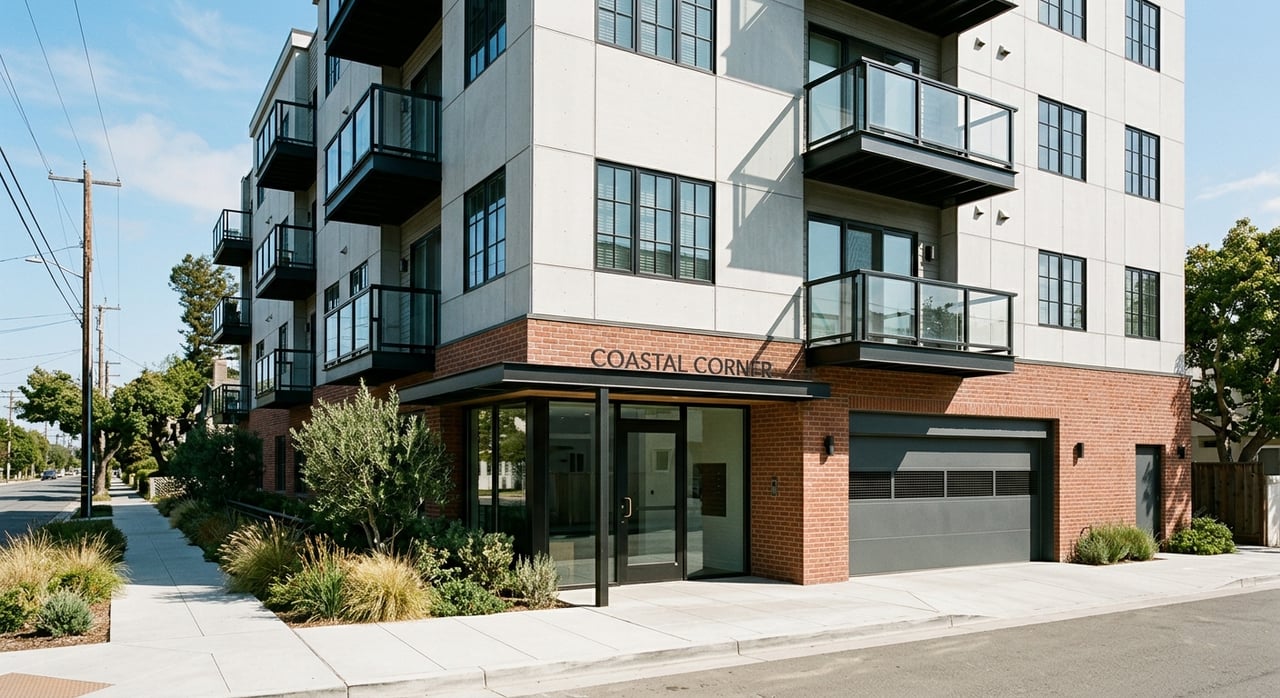
Downtown Holland condos come in a wide range of sizes and styles. Recent examples in the research range from a compact 518-square-foot one-bedroom condo to two-bedroom units over 1,500 square feet, with some higher-end options reaching roughly 1,700 to 2,347 square feet.
Features can vary just as much as size. Some condos offer balconies, patios, covered parking, elevators, attached or detached garages, storage, and shared amenities like fitness areas. Others have a more loft-like feel with exposed beams, block walls, original joists, or industrial finishes.
In short, there is no single “downtown condo type.” Some buildings feel historic and full of character, while others lean newer and more modern. That is why it helps to compare buildings, not just listings.
The Cost Question Goes Beyond Price
If you are comparing a condo to a single-family home, the list price only tells part of the story. Monthly HOA fees can vary widely. The research shows recent examples around $250, $286, $500, and $900 per month.
Those fees may include items such as water, trash, sewer, snow removal, grounds maintenance, or fitness-center access. That can offset some ownership tasks and costs, but it still affects your monthly payment and overall affordability.
When you evaluate a downtown Holland condo, look at the full picture:
- Purchase price
- Monthly HOA fee
- Property taxes
- Insurance needs
- Parking costs, if any
- Utility responsibilities
- Included amenities and services
A condo with a higher HOA fee is not automatically a worse value. What matters is what that fee covers and whether it supports the lifestyle you actually want.
Parking Matters More Than Buyers Expect
Parking is one of the most important details to confirm before you buy. Downtown Holland is relatively user-friendly for parking, with free customer parking in public lots and a supply that includes 15 public surface lots, 2 public decks, more than 300 on-street spaces, and more than 1,500 private spaces.
Still, condo ownership works differently than casual downtown visits. On-street overnight parking is not allowed, and residents without a private space can apply for an Overnight Residential Parking Permit. That means you should not assume your unit comes with suburban-style parking convenience.
Before making an offer, confirm whether the condo includes:
- A deeded parking space
- An assigned parking space
- Garage parking
- Guest parking access
- Storage tied to the parking area
This is a small detail that can have a big impact on your day-to-day experience.
Can You Live Downtown With Less Driving?
In some cases, yes. Downtown Holland transportation options include MAX Transit service in the Holland area, along with Amtrak and Indian Trails stops at the Padnos Transportation Center downtown.
That setup can support a car-light lifestyle, especially if you work remotely or spend most of your time in and around the city center. Even so, many owners will still prefer having a car for broader errands, appointments, or regional travel.
The key question is not whether downtown living eliminates the need for a vehicle. It is whether it reduces how often you need one.
What to Review Before Buying a Condo
Before you move forward on any condo purchase, it is smart to review the details that shape ownership after closing. Fannie Mae’s condo buying guidance notes that condo ownership includes shared common areas, monthly assessments, and rules that may cover pets, parking, renovations, and renting.
That same guidance recommends reviewing governing documents, reserve funds, special assessments, insurance coverage, and parking arrangements. These are not minor fine-print items. They help you understand both your monthly obligations and the building’s financial health.
Here is a practical checklist to use:
- HOA rules and bylaws
- Current monthly fee
- What the fee includes
- Reserve fund status
- Any planned or recent special assessments
- Insurance responsibilities
- Pet rules
- Rental restrictions
- Renovation or modification rules
- Parking and storage details
A well-located condo can still be the wrong fit if the building structure or rules do not match your goals.
Who a Downtown Holland Condo Fits Best
A downtown Holland condo may be the right fit if you want:
- Walkability to shops, dining, and events
- Lower exterior maintenance
- A lock-and-leave setup for travel or seasonal use
- Easy access to downtown amenities
- A home that supports a simpler day-to-day routine
It may be less ideal if you want:
- A larger yard
- More outdoor storage
- Fewer shared decisions
- More flexibility for exterior changes or certain uses
- A more private setting
There is no one-size-fits-all answer. The right choice depends on whether you value convenience and location more than extra space and independence.
The Bottom Line for Holland Buyers
If you love the idea of being in the heart of Holland, a downtown condo can offer a compelling mix of convenience, culture, and low-maintenance living. Between the shops and restaurants, year-round farmers market, event calendar, transit access, and winter-friendly snowmelt system, downtown offers a distinctive lifestyle that many buyers find hard to match elsewhere.
At the same time, condo ownership comes with practical tradeoffs. HOA fees, parking details, shared rules, and building finances all deserve a close look before you commit.
If you are thinking about buying in downtown Holland, the best next step is to compare specific buildings and units through the lens of your daily routine, budget, and long-term plans. If you want help sorting through condo options in Holland and figuring out what truly fits, connect with Ron Webb for local guidance grounded in decades of experience.
FAQs
Is a downtown Holland condo good for year-round living?
- Yes, it can be a strong option for year-round living if you value walkability, lower maintenance, and being close to downtown amenities and events.
What should buyers check before buying a condo in downtown Holland?
- You should review HOA fees, bylaws, reserve funds, special assessments, insurance details, pet and rental rules, and whether the unit includes assigned or deeded parking.
Does downtown Holland have convenient parking for condo owners?
- Downtown has substantial public parking, but condo buyers should verify private or assigned parking because on-street overnight parking is not allowed.
Are downtown Holland condos only small units?
- No, downtown condos range from compact one-bedroom layouts to larger two-bedroom and luxury units with features like garages, balconies, storage, and shared amenities.
Can you rely less on a car in downtown Holland?
- In many cases, yes, because downtown offers walkable amenities plus MAX Transit and rail and bus connections at the Padnos Transportation Center.