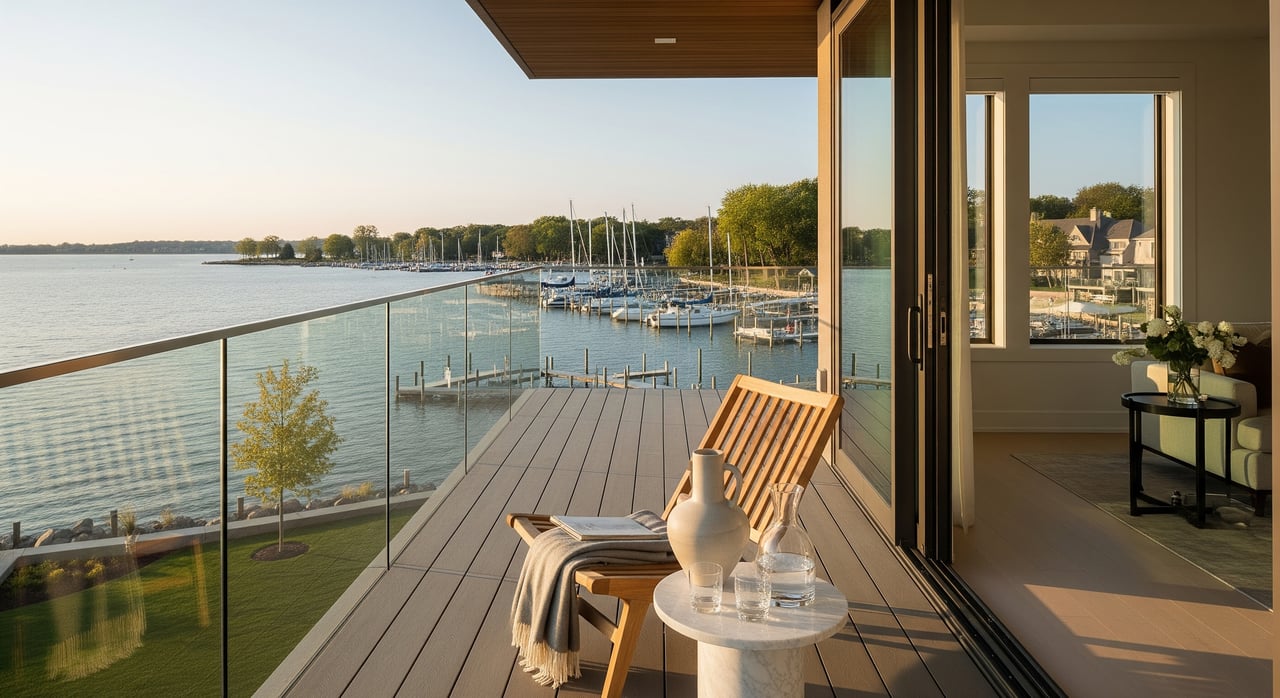
Dreaming of a lakeshore condo near Macatawa but not sure how the financing works? You are not alone. Condo loans play by a few different rules than single-family homes, and the details can impact your rate, down payment, and timeline. In this guide, you will learn what “warrantable” means, how HOA finances factor in, what to expect with down payments and insurance, and the exact steps to get pre-approved with confidence for 49434. Let’s dive in.
What “warrantable” means for Macatawa condos
A condo’s financing options depend on whether the project is considered warrantable by major investors and agencies. In simple terms, a warrantable condo meets the project rules set by Fannie Mae and Freddie Mac, and sometimes by federal programs like FHA and VA. If a project is non-warrantable, many standard loans will not apply, which can change your down payment and rate.
Common loan paths at a glance
- Conventional loans. Many buyers use conventional financing tied to agency rules. Lenders check the project against Fannie Mae project eligibility guidance and Freddie Mac project eligibility.
- FHA loans. FHA allows low down payments for qualified borrowers, but the condo must appear on the FHA condominium policies and roster.
- VA loans. Eligible veterans can put 0 percent down if the condo is on the VA condominium approval information list.
- Portfolio or jumbo loans. Local banks and credit unions sometimes fund non-warrantable condos in-house. Rates and down payments are often higher, and terms vary.
When a condo is non-warrantable
A condo can be non-warrantable for several reasons, such as:
- Low owner-occupancy or a high share of rental units
- Too much commercial space or a single owner holding many units
- Inadequate HOA reserves or a problematic budget
- Active or unresolved HOA litigation
- High delinquency on HOA dues
- Gaps in the master insurance policy or missing mortgagee clause
- New conversions with incomplete sales to third parties
The practical impact is clear. Standard agency, FHA, or VA financing may be off the table. You may need a portfolio lender, a larger down payment, or a different condo project to keep costs down.
How lenders review a condo project
Lenders underwrite the project, not just your unit. They want a stable association with sound finances, adequate insurance, and a clean legal picture.
HOA budget, reserves, and assessments
Underwriters look for a realistic budget and healthy reserves to cover major repairs. They check past and pending special assessments and how well the association collects dues. Thin or zero reserves can slow or stop financing.
Occupancy, rentals, and commercial space
Higher owner-occupancy is viewed as lower risk. A large share of investor-owned or short-term rental units can be a red flag. Lenders also watch the percentage of commercial space and whether one owner controls many units.
Insurance and litigation
The HOA’s master policy must cover common elements with adequate property damage coverage, and mortgagees are often required to be named on the policy. Active litigation tied to structural, insurance, or financial issues is often disqualifying until resolved.
Construction status and concentration
New conversions or projects still selling units face extra review. Some lenders want a certain percentage of units completed and sold to third parties. Single-owner concentration can also be an issue.
Down payments, insurance, and credit basics
Your down payment and insurance costs depend on the loan type and the condo’s status.
- FHA: commonly 3.5 percent down for borrowers who meet credit guidelines. The condo must be FHA-approved.
- VA: 0 percent down for eligible borrowers if the project is VA-approved.
- Conventional: some programs allow as low as 3 percent down, but many lenders require 5 to 10 percent for condos. Second homes and investments often require more.
- Jumbo/portfolio: often 10 to 20 percent or more, with terms based on lender risk.
With conventional loans, you usually need private mortgage insurance when you put less than 20 percent down. For a simple overview of how mortgage insurance works, review the CFPB overview of mortgage insurance. FHA loans include upfront and annual mortgage insurance regardless of down payment, and VA loans charge a funding fee in most cases but no ongoing PMI. Credit score and debt-to-income limits apply across programs, and exact thresholds vary by lender.
If your dream condo is non-warrantable
You still have options:
- Ask the HOA to pursue agency approval if the issues are fixable
- Use a local portfolio lender or credit union comfortable with the project
- Increase your down payment to improve lender appetite
- Explore seller financing or private lending when appropriate
- Consider an alternate unit in a warrantable project to keep standard terms
Lakeshore specifics in 49434
Buying near Lake Macatawa or Lake Michigan adds a few checklist items that lenders care about.
- Flood zones and insurance. Some shoreline addresses fall within FEMA Special Flood Hazard Areas. Federally backed loans require flood insurance if the unit or building is in a mapped zone. Confirm the address on the FEMA Flood Map Service Center.
- Master insurance and water-related risks. Lakeshore buildings can face higher premiums for wind or water exposure. Lenders review the master policy details and exclusions. You may need separate flood coverage.
- HOA dues and reserves. Waterfront associations vary widely in dues and reserve needs, especially with amenities like marinas, pools, or shoreline work. Review the HOA budget, reserve study, and any history of special assessments.
- Taxes and assessments. Waterfront properties may carry higher taxable values. Associations and municipalities can levy special assessments for seawalls, dredging, or community projects. Check local records with the Ottawa County assessor’s office for parcel and tax info.
Your step-by-step path to pre-approval
Use this simple plan to avoid surprises and keep your timeline on track.
- Talk to a condo-experienced lender early. Ask if your target condo project appears on their approved list, or if it shows on FHA or VA rosters. Lenders can run a project review.
- Share project details. Provide the project name, HOA contact, master insurance declaration page, budget, reserve study, and recent HOA meeting minutes. These are the exact documents underwriters request.
- Prepare your personal documents. Gather pay stubs, W-2s and tax returns, bank and asset statements, and ID. Having these ready speeds up underwriting.
- Verify flood and insurance needs. Check the FEMA map for the address, then budget for flood insurance if required. Confirm the HOA master policy and what you may need to carry yourself.
- Align down payment and program. Discuss whether conventional, FHA, VA, or a portfolio option fits your goals. Talk through PMI or mortgage insurance and total monthly costs.
- Time your offer. Projects already on agency lists close faster. If a project review is needed, add days or even weeks to your timeline so your offer terms stay realistic.
Smart questions for the HOA or seller’s agent
- Is the condo on FHA or VA approval lists? If yes, what is the approval number or roster entry?
- What is the owner-occupied versus investor-owned percentage?
- What percentage of the budget goes to reserves? Any pending or recent special assessments?
- Is there any current or unresolved HOA litigation?
- What percentage of units are delinquent on dues?
- Does the master policy name mortgagees as additional insureds and cover common elements at replacement cost?
- Are there rental restrictions or a high level of short-term rentals?
Timeline expectations
- Already-approved projects tend to follow a standard mortgage timeline.
- Project reviews, non-warrantable findings, or HOA fixes can add days to weeks.
- If underwriting depends on an HOA decision, your closing date may need flexibility.
Ready to explore Macatawa condos?
You deserve clear answers before you fall in love with a view. Our team has helped buyers across the West Michigan lakeshore navigate condo approvals, HOA budgets, and insurance details with confidence. If you want a local perspective on which communities tend to finance smoothly, reach out to Ron Webb for guidance tailored to your goals in 49434.
FAQs
What does “warrantable condo” mean for financing?
- It means the condo project meets investor and agency standards so lenders can offer standard terms, which often leads to wider loan options and more favorable rates.
Can I use an FHA loan to buy a Macatawa-area condo?
- Yes, if you qualify and the condo appears on the official FHA-approved roster, which you can verify through HUD resources.
Do VA loans work for condos near Lake Macatawa?
- VA loans can be used with 0 percent down for eligible borrowers if the specific condo project is on the VA-approved list.
How much do I need to put down on a condo in 49434?
- It depends on the program: some conventional options can be as low as 3 percent, FHA is commonly 3.5 percent for qualified buyers, VA can be 0 percent, and portfolio or jumbo loans often require 10 to 20 percent or more.
Why do lenders care about HOA reserves and budgets?
- Healthy reserves and a stable budget help ensure the building can fund repairs without heavy special assessments, which lowers risk for both you and the lender.
Do lakeshore condos require flood insurance?
- If a building or unit lies in a FEMA Special Flood Hazard Area, federally backed loans require flood insurance, so you should confirm the address on FEMA’s map and budget accordingly.
What are my options if the condo is non-warrantable?
- You can look for a portfolio lender, increase your down payment, encourage the HOA to seek approval, or consider a different unit in a warrantable project to access standard terms.