Dreaming about a place near Lake Michigan is the easy part. Buying the right vacation home in South Haven takes more planning, especially if you want the property to fit your lifestyle, your budget, and possibly your rental goals. This guide walks you through the local factors that matter most so you can make smarter decisions with more confidence. Let’s dive in.
Why South Haven Draws Vacation-Home Buyers
South Haven has long been known as a Lake Michigan resort town with sandy beaches, a historic downtown feel, and strong seasonal appeal. Local history and tourism sources describe it as a destination that attracted visitors as early as the turn of the century, and that resort-town identity still shapes the market today.
For buyers, that means you are not just shopping for a house. You are choosing how you want to use your time in a place that blends full-time residential living with a strong visitor economy. That mix can create great lifestyle options, but it also makes planning more important.
South Haven also has a notable seasonal housing footprint. The city’s 2020 census snapshot reported 3,560 housing units and said 45.6% were vacant, which is consistent with a market that includes a meaningful share of non-year-round homes.
Understand South Haven Property Types
Cottages and historic homes
South Haven’s resort history helps explain why many homes near the beach or in older parts of town have a different feel than standard suburban inventory. You may find character, charm, and walkable access to local attractions, but older homes can also bring more maintenance and renovation planning.
If you love original details and classic lakeshore architecture, these properties can be very appealing. Just make sure you are also ready to evaluate age-related systems, repair needs, and ongoing upkeep.
Condos and association-managed options
Condos can be a practical fit if you want a more lock-and-leave ownership experience. In many cases, association-managed properties reduce some of the exterior maintenance burden, though that convenience often comes with dues and property-use rules.
This type of ownership may work well if you want simpler seasonal use or do not want to handle every outdoor task yourself. Before you move forward, review what the association covers and what restrictions may affect your plans.
Single-family vacation homes
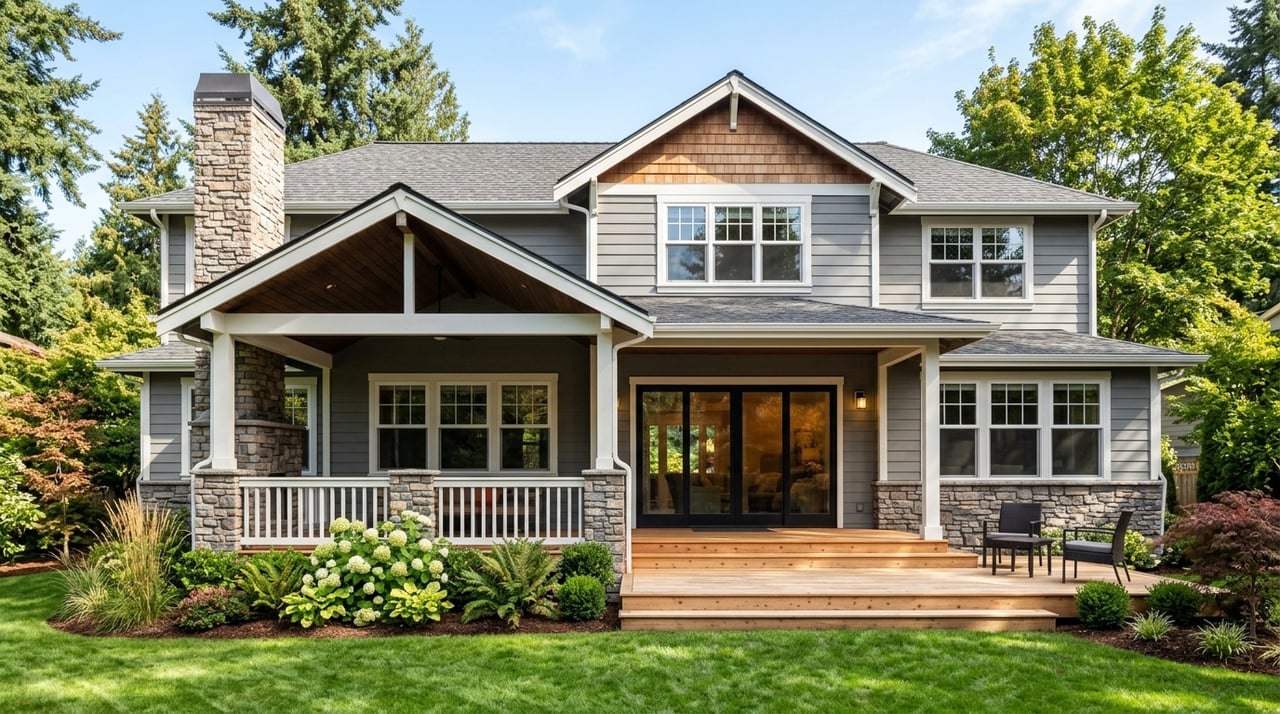
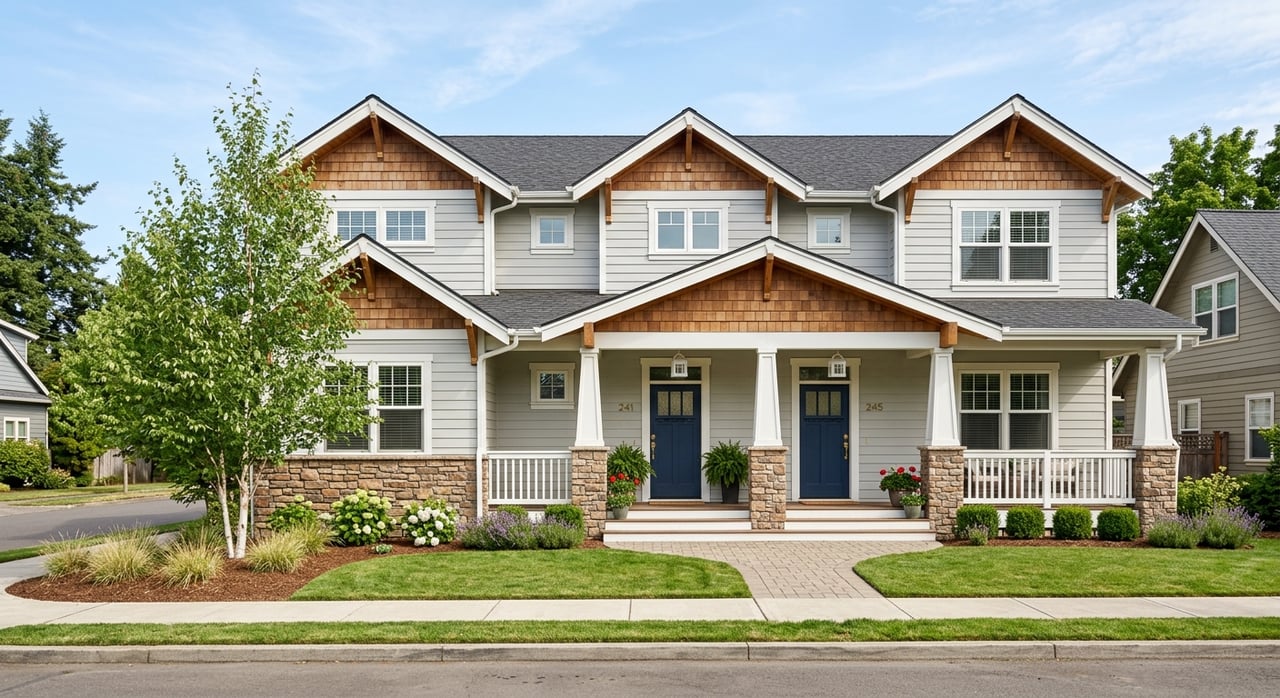
Single-family homes usually offer more privacy and flexibility. They may be a better match if you want extra space, room for guests, or a property that feels more independent.
At the same time, more independence usually means more responsibility. Lawn care, snow removal, utilities, and general maintenance often fall more directly on you unless you hire help.
Plan for Seasonal Use
South Haven operates differently in peak season than it does in the off-season. That matters more than many buyers expect when they first start looking.
The city’s public schedules show this clearly. Beach-lot parking fees run from May 15 through September 15, municipal marinas open on April 15, and the city posts seasonal operating hours for the Dyckman Avenue Bascule Bridge.
In practical terms, summer access, parking, boating logistics, and guest arrivals can feel very different from what you experience in spring, fall, or winter. If you plan to host family or friends often, think through how people will arrive, park, unload, and move around during the busiest weeks.
The city also posts paving and closure notices on its home page. That is another reminder that even simple things like getting to and from a property may vary depending on the time of year.
City or Township Matters
One of the most important questions you can ask early is whether the property is in the City of South Haven or South Haven Charter Township. That is not just a mailing detail. It can directly affect rental rules, registration requirements, and ownership planning.
If you may rent the home at any point, this step is essential. The city and the township have different short-term rental frameworks, so your intended use should be confirmed before you make an offer.
Know the City Short-Term Rental Rules
In the City of South Haven, all short-term rental dwelling units must be registered. The city says Article V rules require zoning compliance review, registration before expiration, and bi-annual inspections.
The city also says incomplete applications will not be processed, and the current review time for completed zoning compliance applications is about four months. If a property is in the overlay district, new rentals require a Special Land Use Application and Planning Commission review.
The city’s framework includes Class I and Class II licenses. Class I allows unlimited rental activity but no more than two rental stays during a seven-day period and requires $1,000,000 in liability insurance. Class II allows six rental terms or 28 days per calendar year.
The city also maintains a 24/7 short-term rental complaint hotline. Its process can involve contacting a local agent, which is a good reminder that rental ownership is not always passive, especially if you live out of town.
Know the Township Short-Term Rental Rules
South Haven Charter Township uses a different ordinance. It applies to single-family dwellings and defines a short-term rental as a rental of at least three nights but not more than 27 nights.
The township requires annual registration. It also says that if an owner does not live within 45 miles, the owner must name a local agent.
The township requires at least $1,000,000 of rental dwelling insurance. It also requires renters to receive information about quiet hours, parking, emergency numbers, and certain local use rules.
Budget Beyond the Purchase Price
A South Haven vacation home budget should go well beyond the list price. Second-home ownership often includes costs that are easy to underestimate if you only focus on mortgage payment and closing costs.
A realistic budget may include:
- Purchase price
- Closing costs
- Property taxes
- Homeowners insurance
- Possible flood insurance
- Short-term rental registration and compliance costs, if applicable
- HOA or condo dues
- Utilities
- Maintenance and repairs
- Cleaning
- Snow removal
- Lawn care
- Furnishing and setup costs
In South Haven, three of the biggest local budget variables are often tax treatment, flood exposure, and whether the home will be for personal use only or also for rental income.
Understand Michigan Tax Treatment
Tax planning is especially important for second-home buyers. Michigan’s Principal Residence Exemption applies to property owned and occupied as a principal residence.
The state’s homestead property tax credit guidance says plainly that a vacation home or income property is not considered a homestead. In simple terms, you should not budget for a South Haven vacation home as if it will receive the same owner-occupied tax treatment as your primary residence.
That can have a meaningful effect on your long-term carrying costs. It is smart to confirm likely tax treatment early in your planning process.
Review Insurance Early
Insurance deserves attention well before closing, especially in a lakeshore market. Coverage needs can change based on location, property type, and whether the home will also be rented.
FEMA says most homeowners insurance does not cover flood damage and that flood insurance is a separate policy. FEMA also notes that flood insurance is available even outside high-risk flood zones.
Another key timing point is that flood policies typically take 30 days to become effective. Buyers should not wait until after closing to start asking questions about flood coverage, erosion risk, and rental-related insurance requirements.
Ask These Questions Before Making an Offer
The best South Haven vacation-home decisions usually come from asking the right questions early. A home may look perfect online and still be a poor fit for how you want to use it.
Before you write an offer, ask:
- Is the property in the city or the township?
- Can the property legally be used the way you intend?
- Will this be a second home only, or an income-producing rental?
- What tax treatment applies if it is not your principal residence?
- What insurance may be needed because of location or rental use?
- If you plan to rent, who will handle local response needs and day-to-day oversight?
- What seasonal access, parking, or guest-arrival issues should you expect?
These questions can help you avoid surprises and compare properties more realistically. In a market like South Haven, intended use should drive your search just as much as style or location.
A Smart South Haven Buying Strategy
South Haven can be a wonderful place to own a vacation home, but it is also a market where the details matter. Seasonal operations, city-versus-township rules, tax treatment, and insurance planning can all shape what ownership really looks like after closing.
If you start with a clear plan for how you want to use the property, you will be in a much better position to narrow your options and buy with confidence. The right vacation home is not just the one with the best view or the shortest walk to the beach. It is the one that fits your goals, your budget, and the local rules.
If you are thinking about buying a vacation home in South Haven, working with a local team that understands West Michigan’s lakeshore markets can make the process much smoother. Connect with Ron Webb for practical guidance as you compare properties, clarify your goals, and plan your next move.
FAQs
What makes South Haven appealing for a vacation-home buyer?
- South Haven offers a classic Lake Michigan resort setting with beaches, historic character, and a strong seasonal housing market, which makes it attractive for second-home use.
What property types should a South Haven vacation-home buyer consider?
- Many buyers compare historic cottages, condos, and single-family homes based on maintenance needs, privacy, flexibility, dues, and property-use rules.
What should a South Haven buyer know about short-term rental rules?
- Short-term rental rules depend on whether the property is in the City of South Haven or South Haven Charter Township, and each jurisdiction has its own registration, insurance, and operating requirements.
How does Michigan tax treatment affect a South Haven vacation home?
- Michigan says a vacation home or income property is not considered a homestead, so buyers should not assume the same tax treatment that may apply to a principal residence.
Why should a South Haven vacation-home buyer look into flood insurance early?
- FEMA says most homeowners insurance does not cover flood damage, flood insurance is separate, and flood policies typically take 30 days to become effective.
What is the most important first planning step for a South Haven vacation-home purchase?
- One of the most helpful first steps is confirming how you plan to use the home and then checking whether the property’s location, rules, and costs support that use.